


Overview
Growing businesses increasingly look for ways to scale without locking themselves into long-term commitments that may not suit future needs. By choosing flexible commercial space, companies can plan growth in phases, manage risk, and make smarter leasing decisions that align with how they actually operate day to day.
Growth Doesn’t Always Mean More Space Immediately
Business growth rarely follows a straight line. Some companies expand quickly, others experience seasonal peaks, and many grow steadily over time. Committing to large premises too early can create unnecessary financial pressure and reduce flexibility.
This is why many SMEs now prioritise flexible commercial space that supports growth without forcing them to predict their future perfectly. Instead of overcommitting, businesses can choose premises that meet current needs while allowing room to adapt.
Phased Growth: Expanding at the Right Time
Phased growth allows businesses to increase their footprint only when it becomes operationally necessary. Rather than leasing more space than required, companies can align expansion with demand, staffing levels, or production increases.
Operating from flexible commercial space makes this approach far easier. Units that can be adapted, reconfigured, or expanded into help businesses grow in stages rather than taking on unnecessary overheads from day one.
Why Flexibility Matters for Growing Businesses
Flexibility provides control during periods of uncertainty. Markets change, customer demand fluctuates, and business models evolve.
Choosing flexible commercial space allows companies to:
- Adjust how space is used over time
- Respond quickly to changes in workload or staffing
- Avoid being locked into unsuitable layouts
- Maintain operational efficiency as the business evolves
For many businesses, flexibility is the difference between confident growth and costly overreach.
Smart Leasing Decisions Reduce Financial Risk
Smart leasing is about matching premises to realistic business needs, not just future ambitions. Overestimating space requirements can tie up capital that would be better invested elsewhere.
Businesses that choose flexible commercial space benefit from:
- More manageable operating costs
- Better cash flow control
- Reduced risk during quieter trading periods
- Greater confidence when planning expansion
This approach supports long-term stability while still allowing room to grow.
Supporting Multiple Uses Within One Unit
Many modern businesses need premises that can serve more than one purpose. Storage, light production, office work, and dispatch often operate side by side.
Flexible commercial space supports this blended use, allowing businesses to optimise layouts without needing separate premises. As operations change, the same unit can evolve alongside them, reducing disruption and relocation costs.
Avoiding the Cost of Unused Space
One of the biggest risks of overcommitting is paying for space that isn’t being used. Empty square footage still carries rent, utilities, and maintenance costs.
By choosing flexible commercial space, businesses can:
- Scale only when demand justifies it
- Avoid unnecessary fixed costs
- Keep overheads aligned with revenue
- Protect profitability during early growth stages
This ensures space works as a tool for growth rather than a financial burden.
Why Location and Estate Environment Still Matter
Flexibility is most effective when paired with a professional, well-managed environment. Access, security, and infrastructure all play a role in how easily a business can operate and grow.
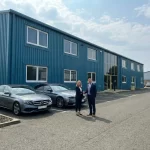
At Mill Road Industrial Estate in Linlithgow, flexible commercial space is supported by an established industrial setting that suits a wide range of businesses, from trades and logistics to service-based companies.
Common Questions People Ask
What is flexible commercial space?
Flexible commercial space refers to business premises designed to adapt to changing operational needs, allowing companies to grow, reconfigure, or adjust without overcommitting to excess space.
Is flexible commercial space suitable for small businesses?
Yes. Many small and growing businesses benefit from flexible commercial space because it allows them to manage costs while planning for future expansion.
Can flexible space support long-term growth?
Absolutely. Businesses often use flexible commercial space as a long-term base, expanding gradually rather than relocating frequently.
Does flexible commercial space reduce financial risk?
Yes. It helps businesses avoid paying for unused space and supports smarter leasing decisions aligned with actual demand.
Planning for Sustainable Growth at Mill Road Industrial Estate
Sustainable growth requires careful planning, realistic forecasting, and the ability to adapt. Choosing flexible commercial space allows businesses to expand at the right pace without unnecessary pressure.
Mill Road Industrial Estate offers an environment where businesses can plan confidently, grow gradually, and avoid overcommitting on space before it’s truly needed.
If your business is planning its next stage of growth, explore flexible commercial space at Mill Road Industrial Estate and choose premises that support progress without locking you into the wrong decision.
View available units at Mill Road Industrial Estate.
Summary
Businesses don’t need to overcommit on space to grow successfully. By choosing flexible commercial space, companies can expand in phases, manage risk, and make smarter leasing decisions. This approach supports sustainable growth, protects cash flow, and ensures premises evolve alongside the business.